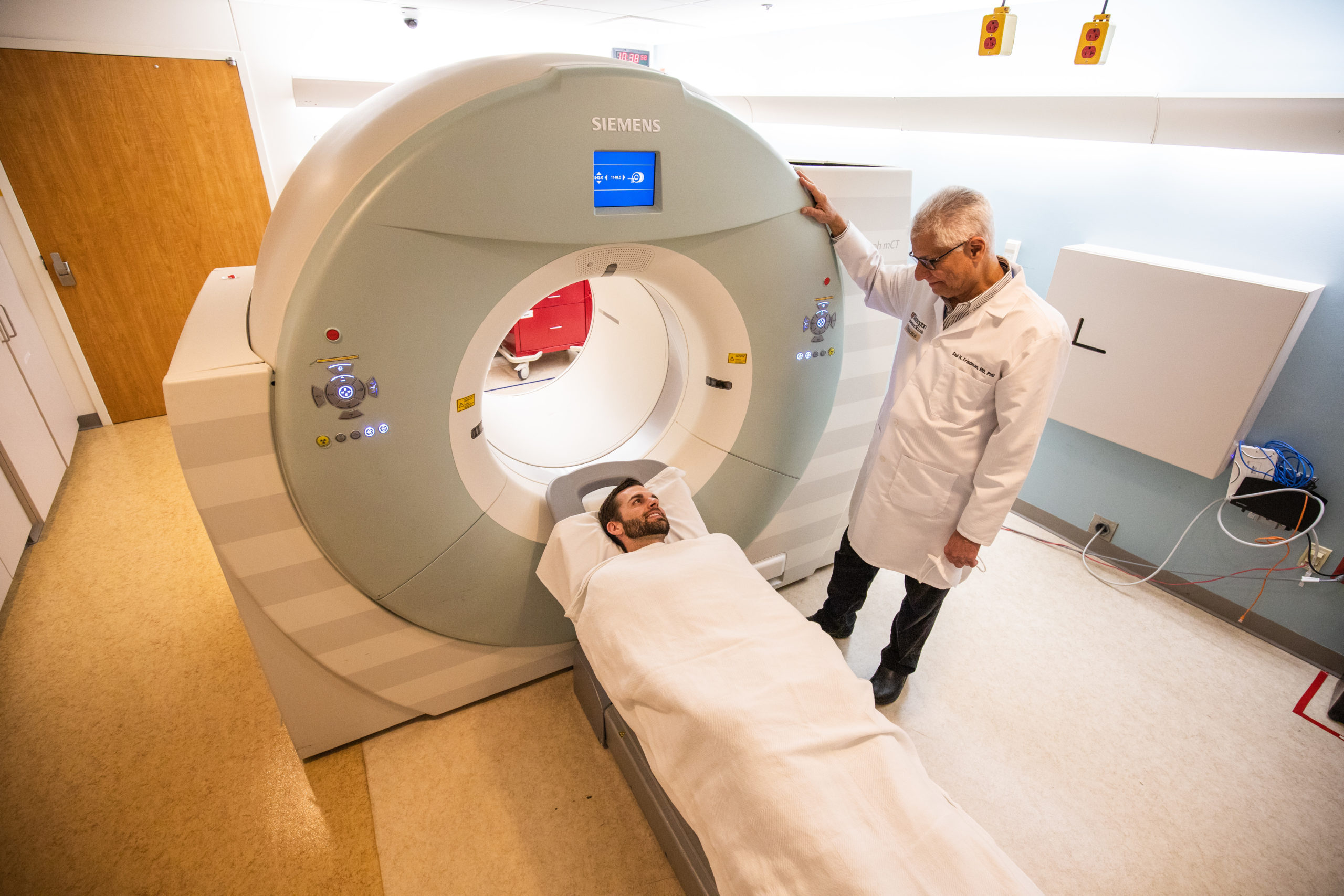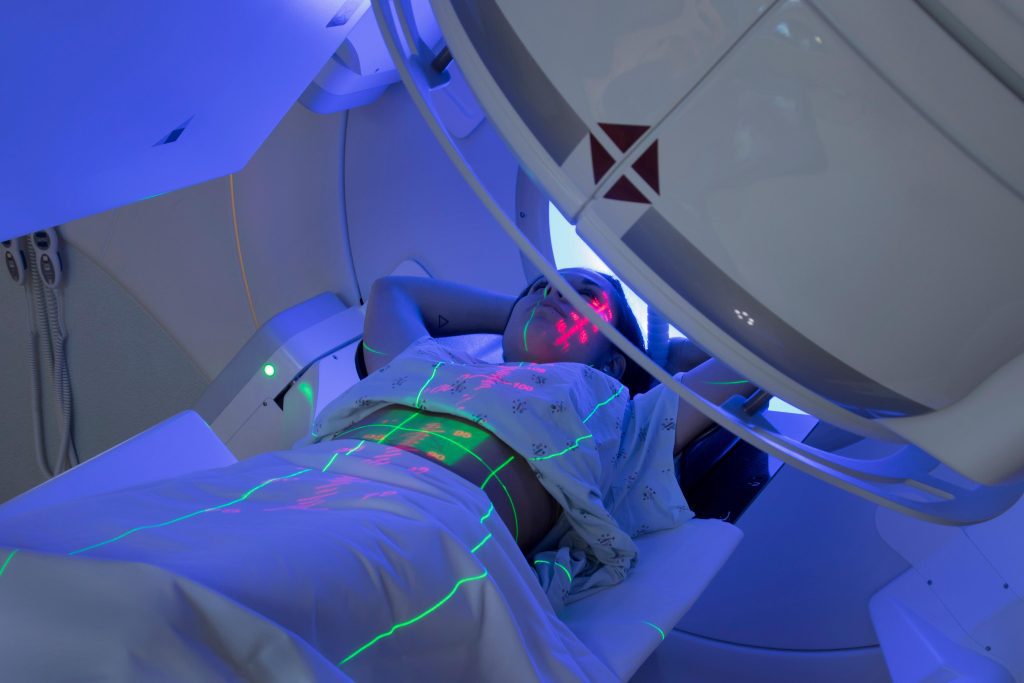
Radiation therapy is one of the most precise forms of cancer treatment. It is designed to deliver a planned dose of radiation to a defined target while limiting unnecessary dose to nearby healthy tissues. Because of that precision, radiation oncology cannot rely on assumptions, rough estimates, or “good enough” machine performance. Every beam, every plan, and every treatment workflow must be validated carefully before a patient is treated and monitored continuously afterward. That is exactly why commissioning, calibration, and quality assurance are so important in modern radiotherapy. International and regulatory guidance consistently treats these steps as essential to safe and accurate treatment delivery, not as optional extras.
What commissioning really means
Commissioning is the process of proving that a radiation therapy machine or treatment planning system is ready for clinical use. It is not just a technical formality performed at the time of installation. It is the stage at which the clinical team verifies that the equipment performs as expected, that measured beam data are accurate, that treatment planning models reflect reality, and that the system can support real-world patient treatments safely. The IAEA describes commissioning of radiotherapy treatment planning systems as one of the most important parts of the quality assurance programme because it includes testing system functions, documenting capabilities, and verifying that dose calculation algorithms reproduce measured data correctly.
In practical terms, commissioning creates the clinical baseline. AAPM guidance explains that baseline values established during acceptance and commissioning are later used to judge whether machine performance has drifted. These baseline values are not abstract numbers sitting in a file; they directly affect treatment planning and dose delivery for patients treated on that machine. If the baseline is wrong, every future comparison can be misleading.
That is why rushed commissioning is dangerous. A machine may appear to be functional, but unless its beam characteristics, geometry, output behaviour, safety systems, and planning-system modelling have all been properly verified, the department cannot be confident that the treatment being prescribed is the treatment actually being delivered. AERB also states that radiation therapy equipment should be commissioned for patient treatment only after the prescribed acceptance tests have been performed and approved by the competent authority.
Why calibration is not optional
Calibration is what connects a treatment machine’s output to a trusted physical standard. In radiation oncology, dose is everything. Too little dose can reduce tumour control; too much dose can increase toxicity and harm normal tissues. That is why radiotherapy dosimetry must be traceable to recognized standards. The IAEA states that reference dosimetry is carried out using an ionization chamber and electrometer, and that the calibration of these dosimeter systems must be traceable to a primary standard before they are used clinically.
This matters because radiotherapy is not simply about switching a machine on and choosing a field. The prescribed dose has to correspond to the actual absorbed dose delivered to the patient. Calibration allows a centre to say, with confidence, that its output measurements are linked back to recognized national or international standards rather than to local assumptions or vendor display values alone. AERB specifically requires dosimetry instruments to be calibrated at specified intervals, with dose measurements having an accuracy within ±3%, and those calibrations must be traceable to national or international standard laboratories and accepted dosimetry protocols.
If calibration is delayed, poorly documented, or treated casually, the entire treatment chain becomes vulnerable. Even a sophisticated LINAC, a high-end TPS, and an experienced team cannot compensate for untrusted dosimetry. Precision technology does not remove the need for calibration; it increases the consequences of getting calibration wrong.
QA is the discipline that keeps treatment safe over time
Commissioning proves readiness at the beginning. Calibration anchors dose to a trusted standard. Quality assurance is what protects that accuracy day after day, month after month, and year after year. Machines age. Components drift. Parts fail. Interlocks can malfunction. Imaging systems can lose alignment. AERB notes that the functional performance of radiation therapy equipment can suddenly change because of electronic malfunction, component failure, mechanical breakdown, deterioration, or ageing. That is why repeated QA at specified intervals and proper record-keeping are required.
AAPM TG-142 was built around exactly this reality. It states that the goal of a QA programme for medical accelerators is to ensure that machine characteristics do not deviate significantly from their baseline values acquired during acceptance and commissioning. It also lays out routine testing frequencies and tolerance concepts so departments can detect problems before they affect treatment. For example, the TG-142 recommendations include daily checks such as output constancy, laser localization, distance indicators, and safety systems like door interlocks and beam-on indicators, with different tolerance expectations depending on whether the machine is used for conventional treatment, IMRT, or stereotactic work.
This is why strong QA is not bureaucracy. It is an active safety system. It catches drift before drift becomes error. It identifies trends before they become incidents. It forces the department to verify, document, and act instead of assuming that yesterday’s machine performance guarantees today’s accuracy. WHO’s patient-safety work in radiation use similarly emphasizes reducing unnecessary exposure and preventing accidental or unintended exposure through stronger risk management and safer systems.
What happens when departments compromise these steps
When commissioning is incomplete, planning data may not reflect real beam behaviour. When calibration is poor, dose output may not match the intended prescription. When QA is weak, drift, setup inaccuracies, imaging mismatches, or mechanical faults may go unnoticed. None of these problems necessarily announce themselves immediately. That is what makes compromise so risky: errors in radiation oncology can be systematic, meaning they can affect multiple patients before being detected. WHO’s radiotherapy risk profile highlights the importance of QA procedures for ensuring safe fulfilment of prescription and minimizing the likelihood of accidents and errors.
Compromise also damages confidence across the treatment chain. Radiation oncologists rely on the physicist’s validation. Therapists rely on machine constancy and verified workflows. Patients rely on the hospital’s assurance that every fraction is being delivered as intended. Once documentation is weak or routine checks are skipped, the issue is no longer just technical. It becomes a governance problem, a safety problem, and a trust problem.
Commissioning, calibration, and QA are team responsibilities
Although medical physicists lead much of this work, a safe radiotherapy programme is never a one-person effort. AERB explicitly states that while the overall responsibility for QA is assigned to the medical physicist, the programme is very much a team effort involving medical physicists, dosimetrists, radiation oncologists, radiation therapy technologists, and service engineers. AAPM also recommends a QA team structure with defined roles, responsibilities, documentation, and institution-specific baseline values.
That team-based approach matters because failures in radiotherapy rarely belong to a single box on an organogram. A plan may be correct but transferred incorrectly. A machine may be calibrated but an imaging offset may be missed. An interlock may function mechanically but not be tested with enough frequency. A robust culture of QA turns these into visible, checked, and documented processes rather than hidden assumptions.
The Indian regulatory perspective matters
For Indian cancer centres, this issue is also clearly regulatory. AERB provides radiotherapy-specific regulatory requirements, QA formats, layout requirements, and eLORA-related guidance for radiotherapy facilities. Its safety code requires acceptance testing, defined QA criteria, baseline performance values, periodic tests, logbook documentation, preventive maintenance, and corrective action when parameters exceed tolerance values. In other words, safe radiotherapy practice in India is expected to be systematic, documented, and auditable.
This means commissioning, calibration, and QA should never be seen as “physics department issues” alone. They are central to hospital compliance, patient safety, medico-legal protection, accreditation readiness, and clinical credibility. A centre that invests crores in technology but underinvests in commissioning and QA creates a false impression of excellence. True quality in radiation oncology is not defined by the purchase of advanced equipment alone, but by the discipline with which that equipment is validated, calibrated, and monitored.
Final thought
Radiation therapy works best when precision is respected at every stage. Commissioning tells the department that the system is clinically ready. Calibration tells the team that the dose is traceable and trustworthy. QA tells everyone that the system is still performing safely and consistently over time. Compromising any one of these weakens the entire treatment chain. In a specialty where millimetres and percentage points matter, there is no safe shortcut.
Disclaimer: Content is for informational purposes and does not constitute medical advice. Always consult qualified healthcare professionals for clinical decisions.
Need Expert Guidance?
Discuss your oncology infrastructure project with our team.