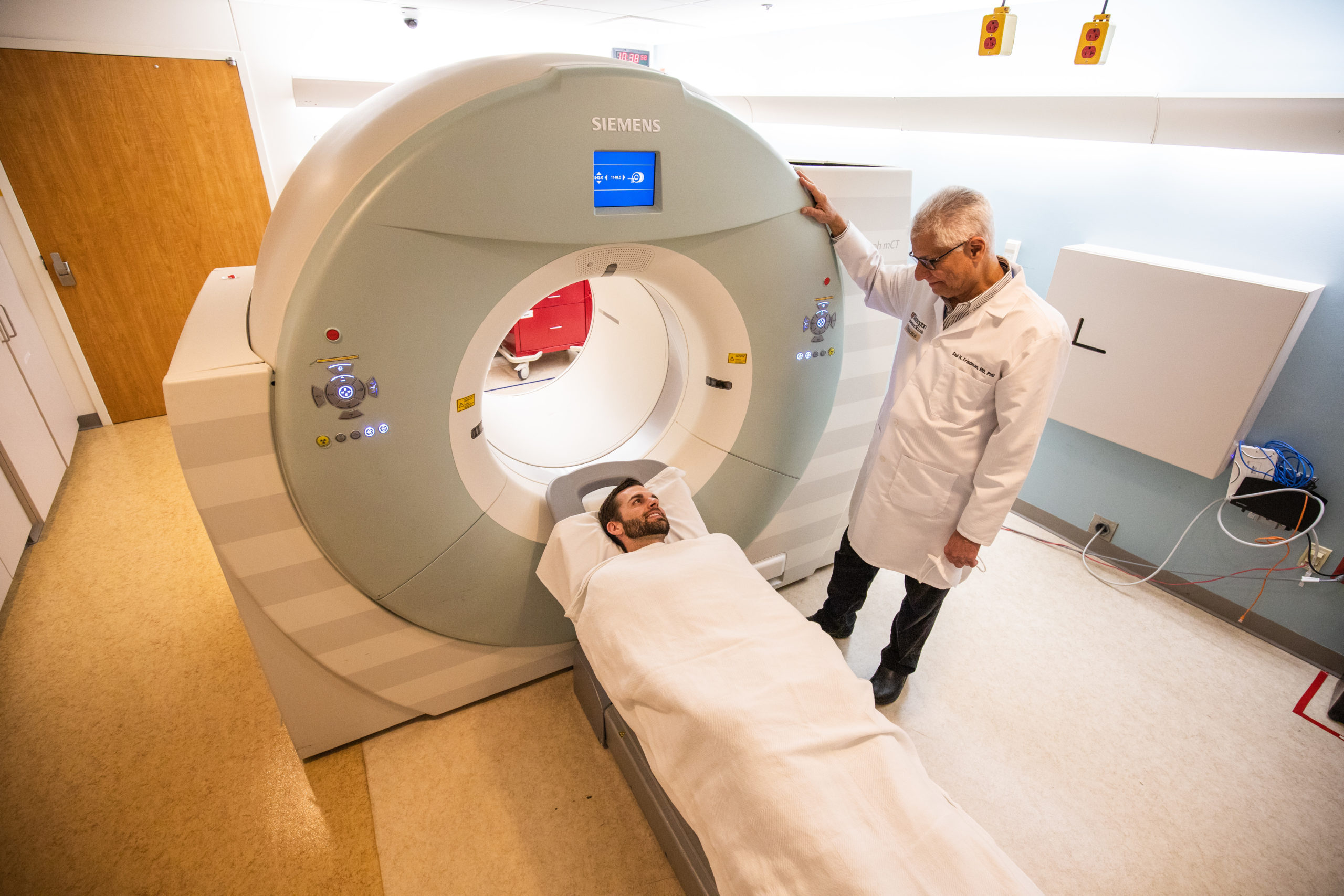
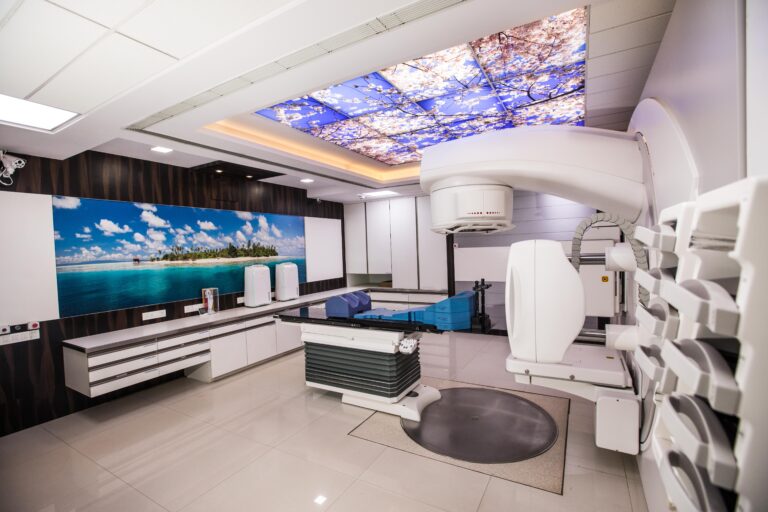
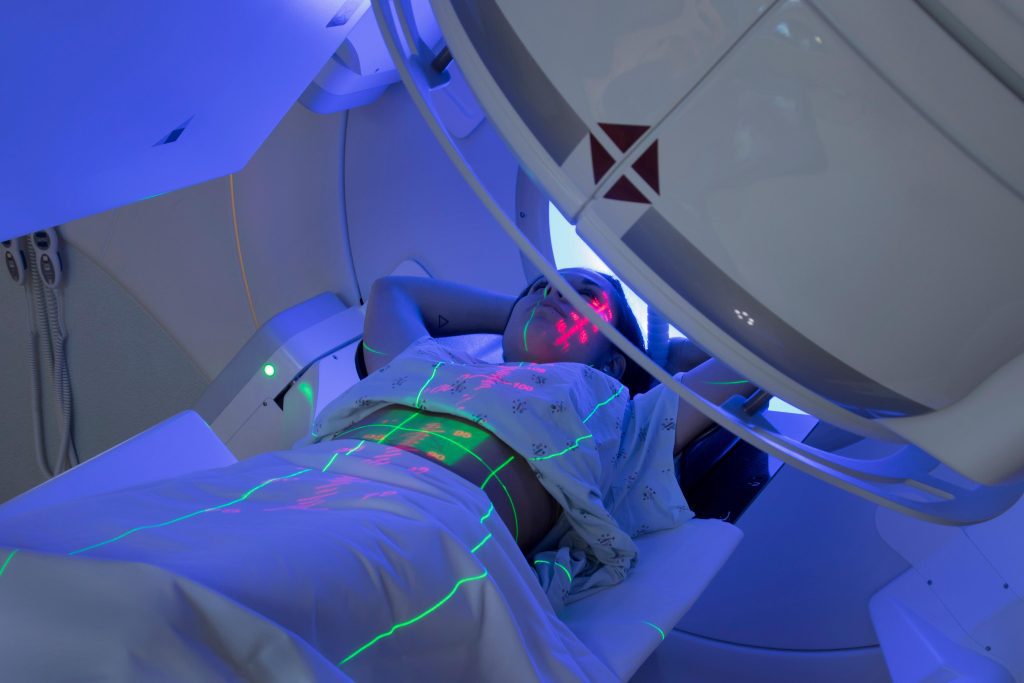
There is a reason so many healthcare promoters are exploring oncology today. Cancer care is no longer a niche specialty that only a few metro institutions can provide. The need is growing, patient expectations are rising, and cities beyond the biggest metros are actively looking for high-quality, trustworthy treatment closer to home. But building a cancer hospital in India is not like opening a general hospital wing or adding a few specialty clinics. It is one of the most complex healthcare projects a promoter can undertake because it combines high-acuity clinical care, advanced technology, strict compliance, specialized manpower, precision workflows, and emotionally sensitive patient journeys. India’s cancer planning ecosystem itself reflects this complexity: the National Cancer Registry Programme now includes 38 population-based registries and 352 hospital-based registries, and its data are used for planning treatment facilities and resource allocation.
The biggest mistake people make is assuming that a 50-bed oncology hospital is mainly a real-estate and equipment project. It is not. A successful centre is built around a carefully designed clinical model. The building matters. The machine list matters. The budget matters. But what matters even more is how all of it comes together into a system that can diagnose accurately, start treatment on time, maintain safety, earn patient trust, and remain financially sustainable. That is what separates a serious institution from a shiny but underperforming facility.
A 50-bed model can be a very intelligent size for oncology if it is planned correctly. It is large enough to create depth in services, bring in specialist teams, run daycare chemotherapy, support inpatient care, create a serious surgical and radiation platform, and develop a recognizable regional brand. At the same time, it is still compact enough to manage with discipline, phased investments, and tighter control over costs. In practical terms, a 50-bed cancer hospital does not succeed because it is big. It succeeds because it is focused.
Start with demand, not with the building
Before anyone starts designing a cancer hospital in India, the first job is not architecture. It is demand mapping. That means understanding the population catchment, referral patterns, cancer incidence trends, competing centres nearby, travel burden for patients, and gaps in local oncology access. Too many projects begin with a piece of land and an ambition. The better projects begin with a hard question: Who exactly will come here, for what services, and why?
In India, registry-based cancer data are specifically used to support planning, prevention efforts, resource allocation, and establishment of treatment facilities. That is important because it reinforces a basic truth: oncology expansion should not be intuition-led alone; it should be evidence-led. A promoter needs to study local referral leakage, common tumour sites in the region, dependence on metro travel, waiting times at nearby centres, and the socioeconomic realities of the patient population.
For example, a catchment with heavy breast, head-and-neck, cervical, lung, and gastrointestinal oncology demand may justify an integrated model with strong medical and radiation oncology from day one. A catchment with limited local access to radiotherapy but strong referring surgeons may require a different sequencing strategy. In some markets, surgery and chemotherapy become the initial anchors, with radiation introduced once volumes and infrastructure are ready. In others, radiotherapy becomes the core differentiator. There is no single blueprint. The model has to fit the geography, demography, and payer mix.
Define what kind of cancer hospital you actually want to build
One of the most important strategic decisions is also one of the most ignored: deciding what kind of cancer hospital in India you are building. Is it a comprehensive cancer centre from the start? Is it a phased integrated oncology hospital? Is it a medical and radiation oncology-led model with selective surgery? Is it a regional hub with outreach clinics and diagnostics feeding into the main campus? These are not branding questions. They are operating model questions.
A 50-bed cancer hospital generally works best when it is built around a clear scope of services rather than a vague promise of “all cancer care under one roof.” In most cases, the first layer should include OPD consultation areas, chemotherapy daycare, inpatient oncology beds, ICU/HDU support, pharmacy, diagnostics access, pathology coordination, pain and palliative support, and a tightly managed patient navigation system. After that, the promoter decides how deeply to invest in surgical oncology, radiation oncology, imaging, nuclear medicine, and subspecialty clinics in phase one versus phase two.
The strongest centres are the ones that choose clarity over ego. They know what they will do exceptionally well in the first 12 to 24 months and what they will add later. That clarity protects capital, improves execution, and prevents the hospital from overbuilding in areas that will take longer to mature.
Location can make or break the entire project
A cancer hospital in India cannot be planned like a premium boutique hospital where visibility alone drives the decision. Oncology patients visit repeatedly. They come for consultations, scans, chemotherapy cycles, radiation fractions, follow-ups, lab tests, and sometimes emergency management. That means access matters more than glamour. The right site is the one that makes treatment continuity easier for patients and operations easier for the hospital.
Location planning should look at highway and city connectivity, ambulance access, public transport practicality, parking, distance from referral clusters, and the ability of families to stay nearby during long treatment courses. It should also consider whether the city can support specialized staff relocation, whether consultants will be willing to practice there, and whether diagnostic and blood bank support are robust enough. A beautiful site that is inconvenient for patients or difficult for talent recruitment becomes expensive very quickly.
This is especially important when building in tier-2 and tier-3 markets. Many patients in these regions do not need luxury. They need dependable, accessible, high-quality care without the burden of repeated metro travel. That is where a thoughtfully planned cancer facility can create both clinical impact and long-term brand loyalty.
The clinical model should flow around the patient journey
When planning a 50-bed oncology centre, the physical layout should be designed around the patient journey, not departmental silos. Oncology patients are already anxious, fatigued, and often overwhelmed. A poorly planned hospital increases that stress. A well-planned one reduces it.
The patient journey usually begins with suspicion, diagnosis, and staging. It then moves into multidisciplinary discussion, treatment planning, therapy delivery, toxicity management, review, and survivorship or palliation. Every delay between those steps weakens experience and often affects outcomes. That is why the most successful cancer hospital in India is not simply the one with the most machines, but the one with the cleanest care pathway.
A practical 50-bed oncology flow should reduce unnecessary movement and duplication. Registration, consultation, diagnostics coordination, biopsy support, imaging linkage, daycare chemotherapy, radiation planning, pharmacy, billing, counselling, and follow-up should feel connected. Tumour boards should not be ceremonial; they should actively influence decisions. Nurse navigators or coordinators should not be optional; they should be central. Patients should not have to become project managers for their own treatment.
Bed planning is more strategic than it looks
Many promoters fixate on the number “50” and then make the mistake of assuming all 50 beds will behave the same way. They do not. In oncology, bed planning is about purpose, turnover, acuity, and support intensity.
A practical oncology bed mix usually includes general oncology beds, higher-dependency beds, a small ICU or access to a strong critical care unit, and often short-stay or observation capacity linked to chemotherapy and supportive care. Some centres also plan isolation capability, post-operative recovery depth, or palliative care flexibility depending on their service scope. Daycare chemotherapy chairs and beds are equally important because a major portion of cancer treatment is increasingly ambulatory.
This is where management maturity shows. A serious oncology project does not ask only, “How many beds do we want?” It asks, “What kind of admissions will drive occupancy? What clinical pathways will require inpatient care? What can safely move to daycare? What support services are needed to keep the bed mix efficient?” Those questions are what turn 50 beds into a usable oncology platform rather than a costly statistic.
Radiation oncology is not just a machine purchase
If your cancer hospital in India is going to include radiotherapy, then the project immediately enters a different level of complexity. Radiotherapy requires not only equipment but also bunker design, shielding, regulatory approvals, commissioning, calibration, quality assurance, staffing, treatment planning capability, imaging integration, workflow discipline, and long-term safety culture.
The Atomic Energy Regulatory Board makes this very clear. To establish a radiotherapy facility, the institute must comply with the Atomic Energy (Radiation Protection) Rules and AERB safety codes, obtain regulatory consent, and process approvals through AERB’s eLORA system. AERB’s guidance also stresses that no regulatory clearance is issued unless the required conditions are met.
This matters because radiotherapy is often where promoters underestimate both timeline and execution effort. A LINAC is not a standalone investment. It is part of an ecosystem. The bunker layout, site drawings, shielding calculations, electrical planning, HVAC, grounding, access pathways, vendor coordination, commissioning schedule, and clinical team readiness all have to align. If even one link is weak, the go-live gets delayed or the system underperforms after launch.
A good oncology consultant saves value here not by “buying a machine cheaper,” but by helping the promoter avoid expensive mistakes in sequencing, civil readiness, equipment suitability, workflow design, and compliance readiness.
Technology planning should be clinical first, commercial second
Every oncology promoter gets tempted by the technology pitch. Advanced LINACs, high-end imaging, brachytherapy units, robotic surgery, digital pathology, PET-CT, AI-enabled planning, paperless workflows, smart infusion systems — all of it sounds impressive, and some of it is genuinely transformative. But the right way to choose technology is not by chasing the most premium brochure. It is by aligning technology with the centre’s clinical model, case mix, budget, referral goals, and operational maturity.
For a 50-bed cancer hospital, technology planning should begin with a simple question: what will be used consistently, safely, and profitably in the first two to three years? Sometimes that means investing deeply in radiation and systemic therapy first. Sometimes it means prioritizing modular OT capability and post-operative support. Sometimes it means deferring PET-CT and using strategic diagnostic tie-ups before building an in-house unit. Mature planning is not about buying less. It is about buying in the right order.
That discipline is what protects return on investment. The best technology stack for one project may be completely wrong for another project in a different city, payer environment, or referral ecosystem.
Manpower is where many projects quietly fail
A building can be completed on schedule. Machines can be installed. Marketing can create excitement. And yet the project can still struggle if the manpower plan is weak. In oncology, talent is not a line item. It is the institution.
AERB’s radiotherapy guidance requires adequate qualified staff such as radiation oncologists, medical physicists, and radiation therapy technologists, and specifically notes that at least one medical physicist should be eligible to function as the Radiological Safety Officer. That alone should tell promoters how seriously staffing must be taken in an oncology project.
But beyond compliance, the reality is broader. A strong oncology centre needs more than marquee consultants. It needs trained nurses, chemotherapy-certified teams, physicists, dosimetrists where applicable, radiation technologists, OT teams, ICU support, pathology coordination, dieticians, psycho-oncology or counselling support, pain and palliative expertise, infection control discipline, pharmacists, tumour board coordination, and patient relationship teams who understand the emotional weight of cancer care.
Many projects recruit the top layer too late and the middle layer too casually. That is risky. Culture, protocols, and workflows are built by the core operating team long before the hospital becomes busy. If the hospital opens before the team is truly ready, patients feel the gaps immediately.
Quality systems should not wait for accreditation
A lot of hospitals think quality can be formalized after the first year. That mindset is dangerous in oncology. A 50-bed cancer centre should be designed with documentation, protocol discipline, infection control, medication safety, consent systems, incident reporting, audit trails, tumour board governance, and patient communication standards from the beginning.
NABH’s current hospital accreditation framework reflects how central patient safety, structured systems, and quality processes have become in Indian healthcare. The 6th edition standards for hospitals were rolled out with effect from January 1, 2025, reinforcing that hospitals are expected to move toward safer, more reliable, and more patient-centred care models.
For a cancer hospital in India, quality is even more important because patients often move through chemotherapy, surgery, radiation, imaging, pathology, ICU, and follow-up over a long period. Handovers matter. Documentation matters. Protocol adherence matters. Drug handling matters. Radiation QA matters. Consent and counselling matter. If these are not embedded early, the hospital spends years trying to correct a flawed foundation.
The right approach is to build the hospital as if accreditation readiness is part of the design philosophy, not a future administrative project.
Financial planning must go beyond CAPEX
One of the harshest realities in oncology is that a centre can look outstanding on paper and still struggle financially if the business model is weak. A sustainable cancer hospital in India needs careful planning across capital expenditure, operating expenditure, payer mix, consultant engagement structure, average realization, referral development, equipment utilization, and working capital.
Promoters often plan the land, building, and machines in detail but underestimate how much cash the first 12 to 24 months can consume. Oncology hospitals need strong inventory planning, pharmacy controls, skilled nursing, diagnostics coordination, service contracts, manpower depth, and patient support functions before full volumes stabilize. Revenue ramps slower when workflows are immature, brand trust is still forming, or referral pipelines are not structured.
This is why feasibility must be brutally honest. What will drive early revenue? OPD? Chemotherapy? Surgery? Radiation? Diagnostics? What is the realistic break-even horizon? What are the occupancy assumptions? How much of the patient base is self-pay, insured, corporate, TPA-based, or government-scheme linked? How vulnerable is the model to one underperforming vertical? The answers to those questions are more important than optimistic presentations.
The commercial engine has to be built deliberately
A cancer hospital does not fill itself just because the need exists. Demand must be converted into trust, and trust must be converted into structured patient flow. That requires a disciplined commercial engine.
The strongest oncology projects invest early in referral development, doctor engagement, outreach OPDs, navigator-led conversion, second-opinion channels, digital visibility, educational branding, tumour-site positioning, and community confidence building. They do not confuse marketing with posters and events alone. They create a system that helps patients discover the hospital, understand its strengths, and move smoothly into treatment.
For a regional cancer hospital in India, this often means building a strong network around physicians, surgeons, diagnostic centres, local consultants, health camps, women’s health channels, ENT and GI referral streams, and district-level awareness. It also means building internal conversion intelligence. How many suspected cases came in? How many were diagnosed? How many started treatment? Where did drop-offs happen? Which specialties convert best? Which referral channels are most reliable? These questions turn marketing from a cost centre into a growth tool.
Digital systems are no longer optional
A modern oncology hospital cannot run well on fragmented spreadsheets, paper-heavy coordination, and disconnected departments. Cancer care is longitudinal, data-heavy, and multidisciplinary. That makes digital infrastructure essential.
At a minimum, the hospital should think early about HIS integration, EMR discipline, chemotherapy protocols, pharmacy safety controls, scheduling systems, treatment tracking, radiation workflow management, image and report integration, finance dashboards, inventory controls, and outcome-oriented MIS. Digital planning also helps with audit readiness, clinician efficiency, patient communication, and management visibility.
This is one area where a lot of projects underinvest initially and then pay for it later in inefficiency. By the time the hospital gets busy, it becomes far harder to clean up documentation problems, missing data fields, unstructured approvals, and poor reporting systems. A 50-bed oncology hospital should feel digitally organized from the beginning, even if the technology stack grows in phases.
Project management is the invisible differentiator
When people look at a finished cancer centre, they see the building, the machines, the branding, and the consultants. What they do not see is the project management quality that got all of those pieces aligned. In oncology development, project management is not back-office coordination. It is the difference between a confident launch and a chaotic one.
A serious project office tracks civil progress, MEP readiness, vendor timelines, licensing dependencies, drawings, shielding approvals, recruitment milestones, biomedical planning, procurement sequencing, commissioning timelines, SOP development, trial runs, training, and go-live preparedness. This becomes even more critical in radiotherapy because regulatory compliance, site readiness, equipment installation, and clinical validation have to be tightly synchronized. AERB’s radiotherapy guidance makes clear that regulatory requirements, equipment approvals, institute registration, and staff readiness are formal parts of the establishment process, not optional afterthoughts.
Most avoidable delays in oncology projects do not happen because people lack intent. They happen because interdependencies were not tracked. That is why seasoned end-to-end planning creates real value.
What usually goes wrong in these projects
If you study struggling oncology projects, the pattern is surprisingly consistent. They overbuild the shell but underbuild the operating system. They buy equipment before the clinical model is mature. They underestimate recruitment difficulty. They delay SOPs. They launch without enough referral depth. They plan radiotherapy like a procurement activity instead of a regulated clinical program. They assume quality can be fixed later. And they budget for construction more carefully than they budget for the first 18 months of operations.
Another common problem is trying to be everything from day one. A 50-bed oncology hospital does not need to prove seriousness by launching every possible service simultaneously. In fact, that often weakens the project. Smart hospitals phase intelligently. They launch what they can execute well, then expand once workflows, volumes, and teams are stable.
The market is increasingly unforgiving of hospitals that look sophisticated but feel disorganized. Patients notice delays. Doctors notice weak systems. Staff notice confusion. Referrers notice inconsistency. Reputation in oncology is built slowly and lost quickly.
What success really looks like
A successful 50-bed oncology hospital is not just one that opens. It is one that works. It starts treatment on time. It gives patients clarity. It runs tumour boards seriously. It documents well. It keeps safety central. It manages toxicity and complications competently. It respects patient dignity. It uses technology wisely. It recruits teams that stay. It grows with discipline. And it becomes the centre that families trust when life feels uncertain.
That is the real opportunity in building a cancer hospital in India today. There is enormous room for new centres, especially in cities and regions where patients still travel far for treatment or struggle to find integrated oncology care nearby. But the winners in this space will not be the loudest launchers. They will be the best planners.
Final thoughts
So, what does it really take to build a cancer hospital in India?
It takes more than land. More than equipment. More than capital. It takes clarity of purpose, deep planning, realistic phasing, strong compliance, the right technology choices, the right people, and an operating model built around the patient rather than the promoter’s brochure.
A 50-bed oncology hospital can be one of the most meaningful healthcare projects a promoter ever builds. It can transform regional access, reduce patient travel burden, strengthen local cancer outcomes, and create a powerful long-term institution. But only when it is approached with humility, discipline, and detail.
Because in oncology, half-planning is expensive, but thoughtful planning is transformative.
Disclaimer: Content is for informational purposes and does not constitute medical advice. Always consult qualified healthcare professionals for clinical decisions.
Need Expert Guidance?
Discuss your oncology infrastructure project with our team.